
glass mirror sheets for walls
La Regla de Bisel Un Herramienta de Precisión y Versatilidad La regla de bisel, también conocida como regla de corte o knife edge ruler en inglés, es una herramienta fundamental en el mundo del diseño, la arquitectura y la ingeniería . Su diseño característico presenta un borde afilado que permite lograr cortes y mediciones precisas, haciendo de esta regla un instrumento indispensable en diferentes profesiones y actividades creativas. El borde cortante de la regla de bisel es su mayor distintivo. Este borde está diseñado para permitir un contacto directo y preciso con los materiales, lo que la convierte en la herramienta ideal para trabajos en papel, cartón, madera y otros medios donde la precisión es crucial. A diferencia de las reglas convencionales que tienen bordes planos, la regla de bisel asegura que cada medición o corte se realice de manera limpia, minimizando el riesgo de errores. Una de las principales aplicaciones de la regla de bisel es en la creación de maquetas arquitectónicas. Los arquitectos y diseñadores utilizan esta herramienta para medir y cortar materiales como cartón, foam board y plástico. La precisión que ofrece permite que los modelos sean fiel reflejo de las ideas originales, lo que es fundamental en presentaciones y revisiones de proyectos. Una simple variación en una medición puede alterar significativamente el resultado final, y la regla de bisel ayuda a evitar esos errores. Además, esta herramienta es ampliamente utilizada en el ámbito del arte y la ilustración. Artistas y diseñadores gráficos confían en la regla de bisel para realizar cortes precisos en obras de arte, carteles y folletos. La nitidez de los cortes contribuye a un acabado profesional, lo que es esencial en el mundo competitivo del diseño. La capacidad de realizar líneas limpias y secas es una cualidad muy valorada que permite que las obras se presenten de manera pulida y atractiva. knife edge ruler El uso de la regla de bisel no se limita únicamente a las áreas creativas. En el ámbito de la ingeniería, los ingenieros mecánicos y civiles también recurren a esta herramienta para realizar dibujos técnicos y planos. La precisión es esencial en estos campos, ya que cualquier desviación podría resultar en fallos significativos en las estructuras o productos finales. La regla de bisel facilita estos procesos al ofrecer un medio confiable para medir y cortar con exactitud. Otro aspecto interesante de la regla de bisel es su simplicidad. Aunque existen herramientas tecnológicas avanzadas para medir y cortar, la regla de bisel ha perdurado en el tiempo debido a su bajo costo, facilidad de uso y efectividad. Cualquiera puede dominar su uso, desde estudiantes hasta profesionales experimentados. Esto la convierte en una herramienta accesible para todos, sin importar el nivel de habilidad o el presupuesto. Además, en un mundo donde la sostenibilidad es cada vez más importante, la regla de bisel se presenta como una alternativa ecológica a las herramientas eléctricas. Su uso manual no requiere electricidad y genera menos desechos, haciendo que sea una opción más amigable con el medio ambiente. Muchos diseñadores y arquitectos están adoptando esta filosofía de trabajo, buscando reducir su huella ecológica y optar por métodos más sostenibles en sus procesos creativos. En conclusión, la regla de bisel o knife edge ruler es una herramienta versátil y esencial en una variedad de campos. Desde la arquitectura y el diseño gráfico hasta la ingeniería y el arte, su capacidad para realizar cortes precisos y mediciones confiables la convierte en un instrumento invaluable. Su simplicidad, accesibilidad y contribución a prácticas sostenibles son características que la mantienen como una elección preferida entre profesionales y aficionados por igual. No resulta sorprendente que esta herramienta, que combina funcionalidad y precisión, siga siendo un elemento básico en los kits de herramientas de todo aquel que valore la exactitud en su trabajo.
about
glass mirror sheets for walls
The integration of smart monitoring systems with industrial equipment has revolutionized operational efficiency, safety, and maintenance practices. Among the critical components benefiting from this technological advancement are gate valves, which play a pivotal role in controlling fluid flow across pipelines. Modern gate valve types , including the 3 gate valve , 30 gate valve , and 4 gate valve , are now being designed with embedded sensors and connectivity features to enable real-time data collection and analysis. This article explores how smart monitoring enhances the performance of these valves, their applications, and the unique advantages they offer in industrial settings. 3 Gate Valve: Compact Solutions for Residential and Light Industrial Use The 3 gate valve is a compact, lightweight valve designed for systems requiring precise flow control in confined spaces. Its 3-inch diameter makes it ideal for residential plumbing, small-scale water treatment plants, and light industrial applications. When integrated with smart monitoring, this valve gains capabilities such as leak detection, pressure tracking, and remote operation. For example, in residential complexes, a 3 gate valve equipped with IoT sensors can alert homeowners to potential leaks before they escalate. In light industrial settings, operators can monitor valve status via centralized dashboards, reducing manual inspections. The integration also supports predictive maintenance, where algorithms analyze historical data to forecast component wear, ensuring timely replacements. Manufacturers prioritize durability in 3 gate valve designs, using materials like stainless steel or brass to withstand corrosion. With smart features, these valves not only improve safety but also extend service life, making them a cost-effective choice for low-to-medium pressure systems. 30 Gate Valve: Heavy-Duty Performance for Large-Scale Systems The 30 gate valve is engineered for heavy-duty applications, such as oil refineries, power plants, and municipal water distribution networks. Its 30-inch diameter allows it to manage high-volume fluid flow, while robust construction ensures reliability under extreme pressures and temperatures. Integrating smart monitoring into a 30 gate valve transforms it into a data-driven asset. Sensors embedded in the valve body track parameters like flow rate, temperature, and valve position. This data is transmitted to control rooms, enabling operators to optimize system performance and respond instantly to anomalies. For instance, sudden pressure drops could indicate pipeline breaches, triggering automatic shutdowns to prevent spills. In the energy sector, 30 gate valves with smart systems reduce downtime by providing real-time diagnostics. Maintenance teams receive alerts about seal degradation or actuator malfunctions, allowing repairs before failures occur. This proactive approach is critical in industries where unplanned outages result in significant financial losses. 4 Gate Valve: Versatility in Medium-Scale Applications The 4 gate valve strikes a balance between compactness and capacity, making it suitable for medium-scale industrial and commercial systems. Its 4-inch diameter is commonly used in HVAC systems, chemical processing plants, and irrigation networks. Smart monitoring integration elevates the functionality of a 4 gate valve by enabling precise control over fluid dynamics. For example, in HVAC systems, these valves adjust coolant flow based on real-time temperature data, enhancing energy efficiency. In agriculture, farmers use smart 4 gate valves to automate irrigation schedules, reducing water waste. The valve’s design often includes a rising stem mechanism for visual position confirmation, complemented by digital sensors that provide granular data. This dual verification system ensures accuracy in both manual and automated environments. Additionally, cloud-based analytics platforms can aggregate data from multiple 4 gate valves , offering insights into system-wide performance trends. Gate Valve Types: Tailoring Smart Solutions to Specific Needs Understanding gate valve types is essential for selecting the right product for a given application. The 3 gate valve , 30 gate valve , and 4 gate valve represent distinct categories optimized for different pressures, flow rates, and environments. Wedge Gate Valves: Common in high-pressure systems, these use a wedge-shaped disc to create a tight seal. Ideal for 30 gate valve applications in oil and gas. Knife Gate Valves: Designed for slurries and viscous fluids, often integrated into 4 gate valve systems in wastewater treatment. Parallel Slide Gate Valves: Feature two parallel discs, suitable for 3 gate valve setups where thermal expansion is a concern. Smart monitoring adapts to these gate valve types by customizing data parameters. For instance, a 30 gate valve in a refinery might prioritize pressure and temperature metrics, while a 4 gate valve in a chemical plant focuses on corrosion tracking. This flexibility ensures that each valve type delivers maximum value in its operational context. FAQs About Smart Gate Valve types How does smart monitoring enhance the performance of a 3 gate valve? Smart monitoring adds capabilities like leak detection, remote control, and predictive maintenance to a 3 gate valve . Sensors track pressure and flow data, enabling early issue identification and reducing manual intervention. Can a 30 gate valve withstand harsh industrial environments? Yes, the 30 gate valve is built with materials like carbon steel and corrosion-resistant coatings, ensuring durability in extreme conditions. Smart sensors further enhance reliability by providing real-time health updates. What industries benefit most from a 4 gate valve with smart features? HVAC, agriculture, and chemical processing industries benefit from the 4 gate valve ’s balance of size and capacity. Smart integration optimizes energy use and automates flow adjustments. Are there compatibility issues when retrofitting older gate valve types with smart systems? Retrofitting is possible but depends on valve design. Manufacturers offer modular sensor kits compatible with most gate valve types , including 3 gate valve , 30 gate valve , and 4 gate valve models. How do smart gate valve types improve maintenance efficiency? Smart systems analyze operational data to predict maintenance needs, reducing unplanned downtime. For example, a 30 gate valve might alert users to seal wear before a failure occurs. The fusion of smart monitoring with modern gate valve types represents a leap forward in industrial automation. Whether it’s the compact 3 gate valve , the heavy-duty 30 gate valve , or the versatile 4 gate valve , each variant gains enhanced functionality through real-time data and connectivity. By adopting these innovations, industries can achieve greater efficiency, safety, and cost savings, solidifying gate valves as indispensable components in fluid control systems. Manufacturers continue to refine these technologies, ensuring that gate valve types remain at the forefront of industrial progress.
-

High quality industrial productsagement

High quality industrial products
View Details -

Meet the diverse needs of customers

Meet the diverse needs of customers
View Details -

Strict quality control

Strict quality control
View Details -

Top raw materials

Top raw materials
View Details -

Trusted supplier

Trusted supplier
View Details
Our application

news and information
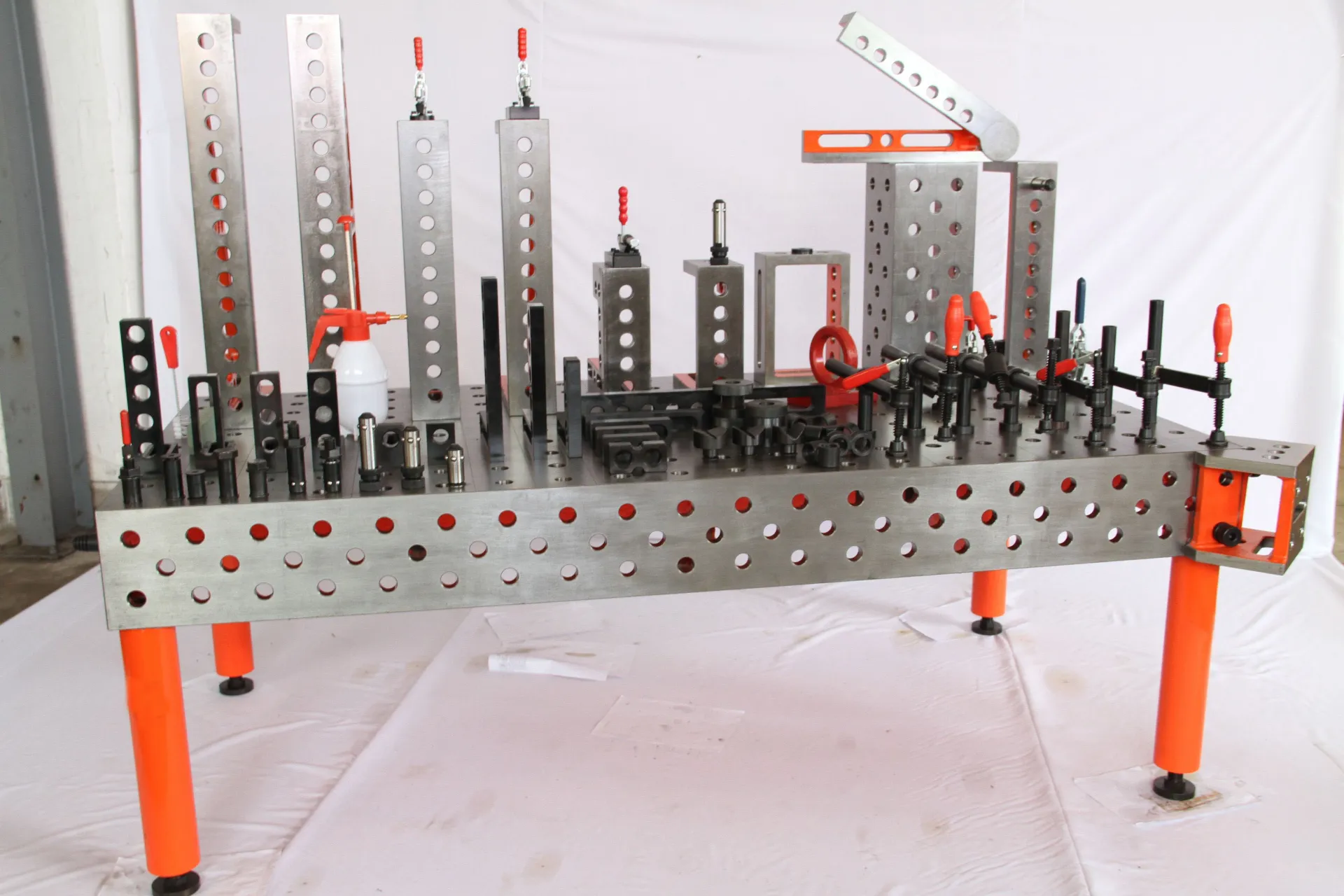
Wholesale Options for High-Quality Butterfly Valves at Competitive Prices
The Rise of Butterfly Valve Wholesale A Comprehensive Overview In the realm of industrial applicatio
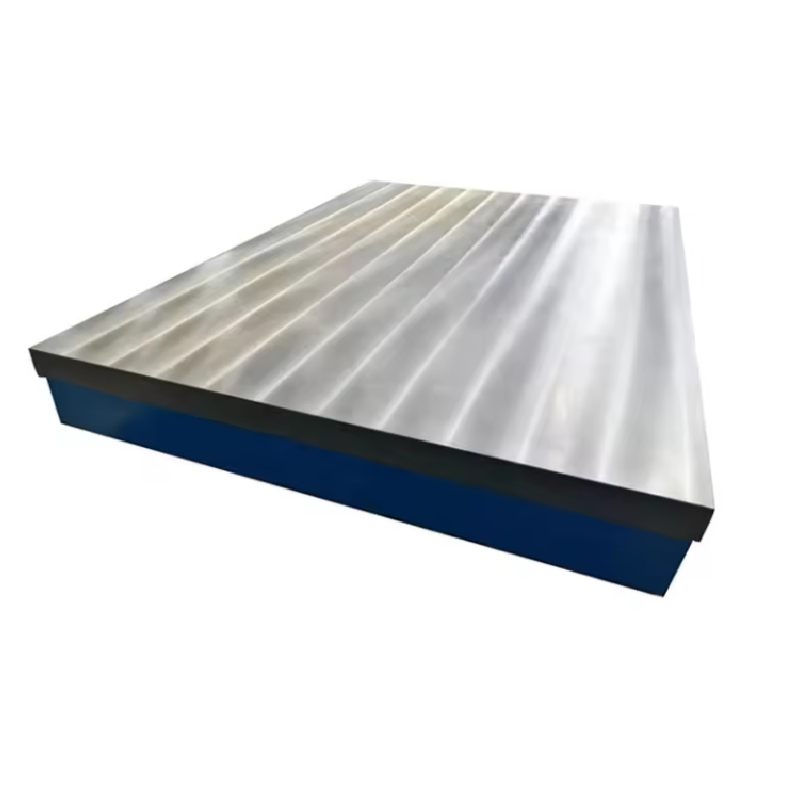
Válvula de gate de 400mm para sistemas de tubulação industriais e comerciais
400mm gate valve .
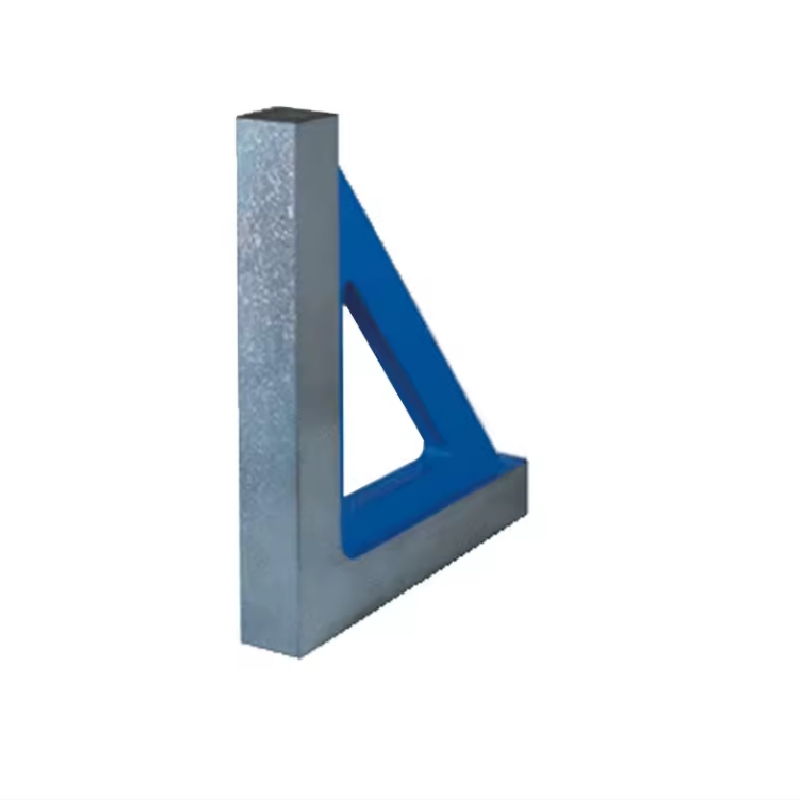
Valvola di ritegno tipo disco
Controllo dei Valvole a Terra con Disc Type Il controllo dei valvole a disco è un aspetto fondamenta
 English